
A Family’s Search for Truth
Guantanamo DiaryThis flow traces the family’s efforts to discover Slahi’s whereabouts, maintain communication, and keep the case publicly visible.
increasing Bearing strength in each event
 decreasing
Bearing strength in each eventdecreasingFalse Reassurance
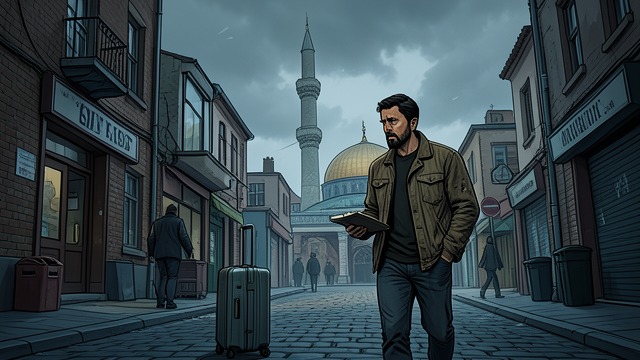
Waiting at Home
Officials Say He Is Held Locally
After Slahi disappeared, relatives were led to believe he remained in a Mauritanian prison. His brother Hamoud regularly delivered clothing and money for his upkeep.
A Hidden Transfer
In reality, Slahi had been sent to Jordan and then Bagram. The family’s routine visits were directed toward a false location while the actual detention remained secret.
The Cost of Concealment
The deception stole time and information from those closest to him. The family could not advocate effectively because it did not know where to look.
The Newspaper Discovery
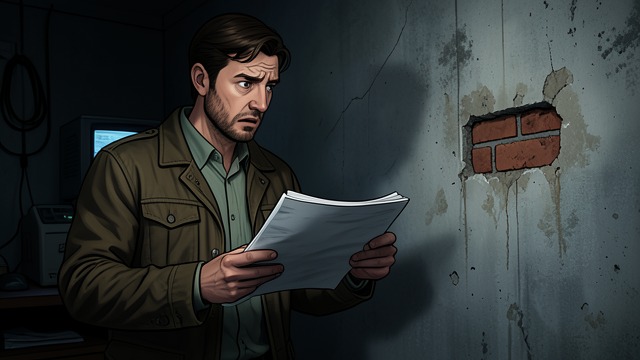
A Location Found in Print
Yahdih Reads the Report
Yahdih Ould Slahi learned from Der Spiegel that his brother was at Guantánamo. The news contradicted assurances that Mohamedou was in local custody.
Anger and Fear
Yahdih protested that local police had misled the family, while relatives worried that his anger could create danger. Their response showed how information itself had to be negotiated under authoritarian conditions.
A New Search Begins
Knowing the location did not make contact or release possible. It began a different period of advocacy, focused on reaching a distant prison and challenging the state’s account.
Letters Lost in Transit

Communication Controlled
Years of Silence
Slahi wrote to his family from Guantánamo but did not receive replies for a long time. The absence of mail made him fear that his family had forgotten him or did not know where he was.
A Forged Message
An apparent letter from a relative was delivered as an interrogation tactic. Slahi quickly recognized it as false because the name, handwriting, and details did not match his family.
A Genuine Message
A real Red Cross letter from his mother arrived in 2004, written months earlier. The contrast between fabrication and genuine contact made the real message precious and painful at once.
Calls and Family News

Contact After Years
First Authorized Call
In 2008 the family gathered in Nouakchott for its first authorized call with Slahi. His mother heard his voice after more than six years of separation.
Shared Updates
The calls became a way to exchange news of weddings, children, and relatives. Later video calls allowed family members to see one another, though calls remained rare.
Grief from Afar
Maryem died in 2013 while Slahi remained detained. The family’s connection endured, but technology could not restore the time and presence lost to imprisonment.
Public Advocacy
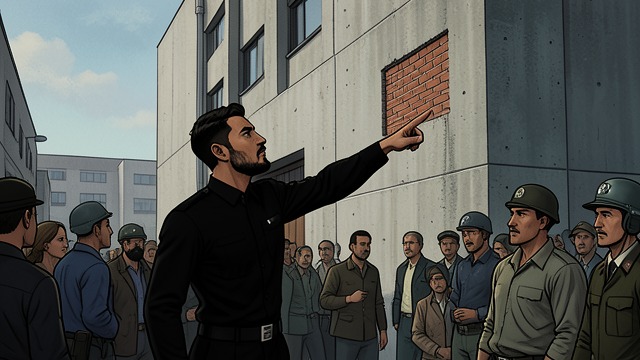
Keeping the Case Visible
Legal and Public Efforts
Slahi’s family and lawyers continued to seek release after a judge ordered it. Yahdih participated in demonstrations and asked for more frequent family contact.
A Public Record
The memoir, legal filings, and family advocacy challenged descriptions of Slahi as a major September 11 figure. They asked the public to examine the actual record and the history of detention.
An Unfinished Search
At the book’s close, the family still awaited a homecoming. Advocacy remained an expression of love and a response to an unresolved legal and human crisis.
Late 2001–2002
October 2002
2002–2004
2008–2013
2010–the memoir’s present
